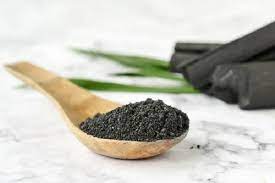
Activated Charcoal Mouth Paste
Fluoride-Free Oral Care | Net Wt. 0.5 oz (1/2 oz)
Discover a different approach to your oral care routine with House of Flava Activated Charcoal Mouth Paste. This handmade, fluoride-free formula combines activated charcoal, bentonite clay, baking soda, cinnamon powder, and organic coconut oil to create a distinctive mineral- and botanical-inspired tooth cleansing experience.
Activated charcoal has long attracted attention for its highly porous structure and ability to adsorb certain substances. It is frequently included in natural oral care products marketed for surface stain removal, polishing, and freshening the mouth. However, research on charcoal-based dental products remains limited, particularly regarding their whitening effectiveness and long-term effects on tooth enamel.
Our powder-to-paste formula develops a paste-like consistency when moistened on your toothbrush, offering an alternative to conventional toothpaste.
About Activated Charcoal and Its Uses
What Is Activated Charcoal?
Activated charcoal is a fine, black, highly porous form of carbon produced by processing carbon-rich materials, including coconut shells, wood, and other natural sources, at high temperatures. Additional activation processes create an extensive network of microscopic pores, increasing the charcoal's surface area and its ability to adsorb certain substances.
Adsorption is different from absorption. Rather than soaking substances into its interior like a sponge, activated charcoal can attract and bind certain molecules to its surfaces.
Activated Charcoal in Oral Care
Activated charcoal has become a popular ingredient in alternative oral care products, including tooth powders, pastes, and rinses.
Its use is often associated with cosmetic tooth polishing, surface stain removal, and breath-freshening products. Coffee, tea, wine, and tobacco contain compounds that can contribute to tooth discoloration, including tannins.
Although activated charcoal can adsorb certain compounds under appropriate conditions, that property alone does not establish that it safely removes these stains from teeth. Research has not conclusively demonstrated the whitening effectiveness or long-term safety of charcoal-based dental products.
Bentonite Clay and Mineral-Based Oral Care
Bentonite clay is a naturally occurring mineral-rich clay valued for its adsorptive properties and used in various personal care formulations. Its mineral composition varies according to its geological source.
Although mineral-rich clays are sometimes promoted for tooth remineralization, the presence of minerals does not by itself establish that a clay-based tooth product rebuilds or strengthens enamel.
Baking Soda, Cinnamon, and Coconut Oil
Baking soda, also known as sodium bicarbonate, is commonly used in oral care formulations for its mild abrasive properties and ability to help neutralize acids.
Cinnamon powder adds a warm, naturally aromatic character to the blend, while organic coconut oil helps bring the ingredients together as the powder develops its paste-like texture with moisture.
Activated Charcoal in Medicine and Other Applications
Medical and Emergency Uses
Activated charcoal has a longstanding history in medicine and continues to be used in selected cases of poisoning and drug overdose.
In medical settings, specially prepared activated charcoal may be mixed with water or another suitable liquid and administered orally or through a medical tube under professional supervision.
Its highly porous structure allows it to bind certain drugs and toxic substances within the gastrointestinal tract, potentially reducing the amount absorbed into the bloodstream.
Activated charcoal does not bind every poison or medication, and its effectiveness depends on the substance involved, timing, dosage, and the patient's condition. Medical professionals determine when this treatment is appropriate.
Other Traditional and Modern Applications
Beyond oral care and medicine, activated charcoal is used in several industries and personal care applications, including:
-
Water and air filtration systems, where activated carbon helps capture certain impurities and odor-causing substances.
-
Facial masks and cosmetic cleansing formulations.
-
Odor-control and purification applications.
-
Certain medical treatments involving the adsorption of substances within the digestive tract.
These applications reflect the versatility of activated carbon, although different uses require different grades, formulations, and safety standards.
Ingredients
Bentonite Clay, Baking Soda, Cinnamon Powder, Activated Charcoal, Organic Coconut Oil.
How to Use
Using a clean, dry utensil, remove a small amount of product and apply it to a damp toothbrush. The powder will develop a paste-like consistency as it mixes with moisture.
Brush gently and rinse thoroughly. Avoid dipping a wet toothbrush directly into the container to help prevent contamination.
Important Information
For adult use only. Do not swallow.
Consult your dentist before use, particularly if you have sensitive teeth, gum recession, exposed roots, dental restorations, or other existing oral health concerns.
Discontinue use if irritation or discomfort occurs.
If pregnant, nursing, taking medications, or managing a medical condition, consult an appropriate healthcare professional before use.
This fluoride-free product is not a substitute for fluoride toothpaste used for cavity prevention.
Important distinction: The medical uses of activated charcoal described above are provided for educational purposes only. House of Flava Activated Charcoal Mouth Paste is formulated for topical oral hygiene use and must not be ingested or used to treat poisoning, drug overdose, or any medical condition.
If poisoning or overdose is suspected, contact Poison Control at 1-800-222-1222 or seek emergency medical assistance.
California Proposition 65
WARNING: Consuming this product can expose you to lead, which is known to the State of California to cause cancer and birth defects or other reproductive harm. For more information, visit www.P65Warnings.ca.gov/food.


Activated Charcoal Mouth Paste